
Can I Borrow Against Bitcoin? A Smart Guide
Can I borrow against bitcoin? Learn how crypto-backed loans work, what LTV and liquidation mean, and when borrowing may beat selling for U.S. holders.
Can I borrow against bitcoin? Learn how crypto-backed loans work, what LTV and liquidation mean, and when borrowing may beat selling for U.S. holders.

Liquidation risk can turn a crypto-backed loan into a forced sale. Learn how LTV, thresholds, collateral, and loan terms shape your margin of safety today.

Compare top crypto lending security features, from custody and collateral controls to liquidation safeguards, before borrowing against your digital assets.

Learn how to monitor collateral health, track crypto loan risk, and act before LTV levels approach a margin call or liquidation threshold with alerts.
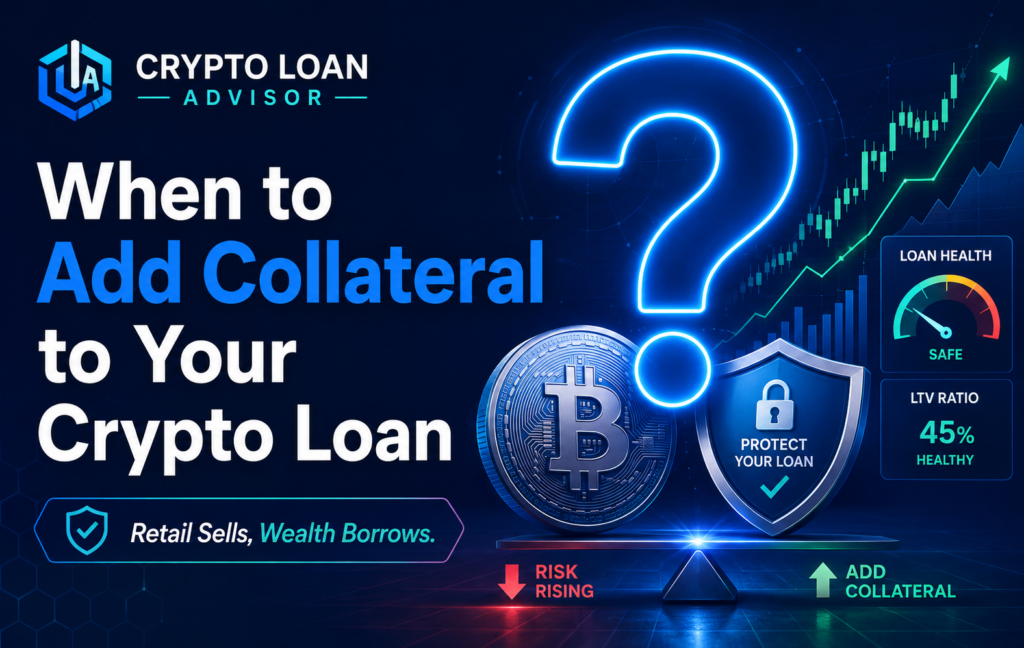
Know when to add collateral to a crypto loan, protect your LTV, reduce liquidation risk, and keep long-term Bitcoin and crypto exposure intact, during dips.

Bitcoin started as an idea shared with a small group of cryptography enthusiasts. Today, it’s a global asset that has changed how millions of people think about money, ownership, and financial freedom. But how did Bitcoin actually get here — and what were the key moments that shaped its journey? From Satoshi Nakamoto to the rise of a trillion-dollar crypto market, discover the story behind Bitcoin. 👉 Read the full story: The History of Bitcoin

Learn the best crypto loan risk controls, from conservative LTVs to custody checks, so you can borrow against digital assets with greater confidence.

Compare a crypto credit line versus loan, including access, rates, LTV, liquidation risk, and repayment, before borrowing against your digital assets.

Learn how to calculate borrowing capacity on a crypto loan using collateral value, LTV, buffers, interest costs, and liquidation risk before borrowing.

A lender transparency review helps crypto borrowers compare custody, rates, LTV limits, liquidations, and terms before pledging collateral with clarity.