
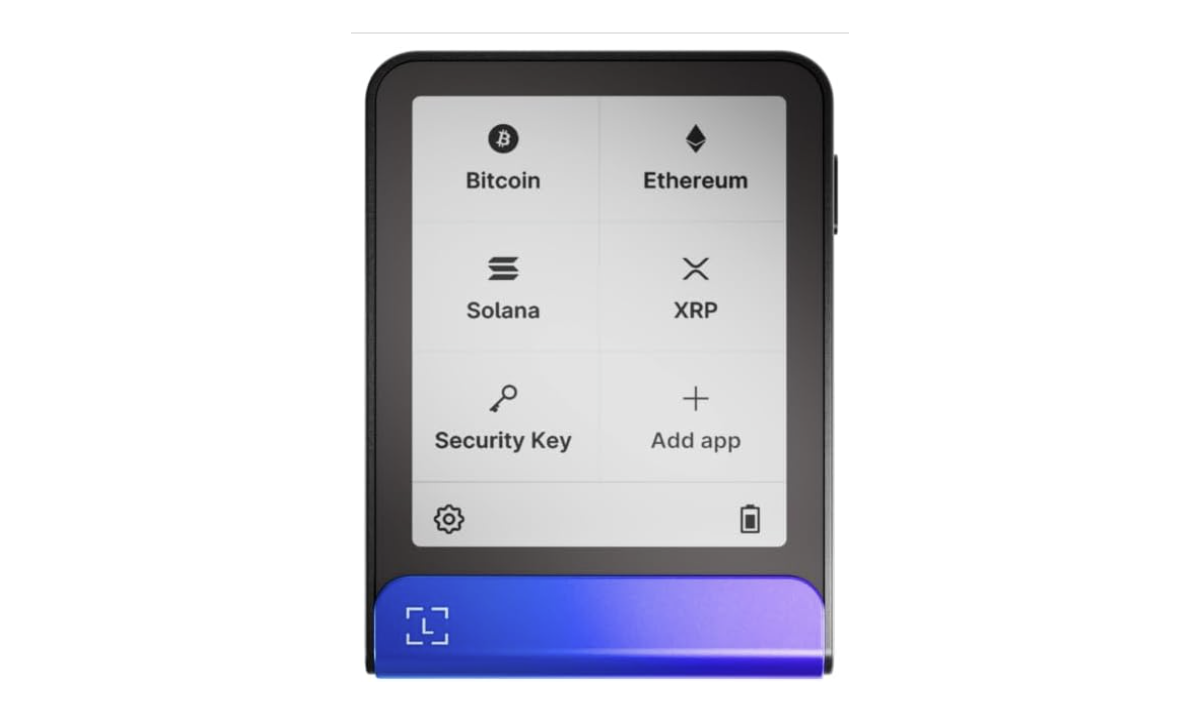
1. Custody Model
Self-custodial = you hold your own private keys (most secure, more responsibility)
Custodial = a third party holds your keys (easier, but you’re trusting them)
2. Key Storage
Cold/hardware wallets store private keys offline — out of reach of remote attackers
Hot/software wallets keep keys on internet-connected devices — convenient but more exposed
Best practice: use both — a hardware wallet for long-term storage, a software wallet for daily transactions
3. Secure Element (SE) Chip
Look for EAL6+ certified Secure Element chips (same tech used in passports and credit cards)
More secure than general-purpose microcontrollers
4. Code Transparency
Open-source firmware lets security researchers audit the code (e.g., Trezor)
Closed-source can still be secure if built on a certified Secure Element (e.g., Ledger)
5. Threat Detection
Software wallets that screen transactions in real-time can flag scams before you approve them — a feature hardware wallets alone can’t provide
6. Recovery Method
Seed phrase backup — standard but requires secure storage of 12–24 words
Seedless recovery (e.g., NFC card-based like Tangem) — simpler but newer
Multi-signature and social recovery options add extra layers
7. Air-Gap Support
Some wallets (like ELLIPAL Titan) sign transactions entirely offline via QR codes — maximum isolation from online threats
Top picks in 2026 per use case:
Best open-source: Trezor Safe 5
Best air-gapped: ELLIPAL Titan




